

Do I Need Surgery for a Herniated Disc? Key Signs & Symptoms
A herniated disc diagnosis often raises an immediate question: do I need surgery? In most cases, the answer is no. Roughly 90% of disc herniations improve with conservative care when treatment is appropriate and given enough time.
The challenge is not the diagnosis. It is knowing what to do next. Some patients improve steadily with non-surgical treatment, while others develop clear signs that the nerve is under meaningful stress and requires surgical intervention.
This article outlines that distinction. It will help you understand when a “wait and see” approach remains appropriate and when a herniated disc crosses the threshold into a condition that warrants surgical evaluation.
When Conservative Treatment is the First Step
For most patients, the first step after a herniated disc diagnosis is not surgery. It is a structured course of conservative care. The typical window for non-surgical treatment is 6 to 12 weeks. During this time, inflammation can subside, disc material may resorb, and pressure on the affected nerve can decrease.
Common conservative treatments include:
- Physical therapy focused on directional preference and core stability, designed to centralize pain and reduce nerve irritation
- Anti-inflammatory medications and, when needed, epidural steroid injections to reduce nerve inflammation more directly
- Activity modification and ergonomic adjustments to limit mechanical stress on the spine during daily activities and work
When applied consistently, these treatments relieve symptoms in most patients and often eliminate the need for surgery.
When a Herniated Disc Requires Surgery
Most herniated discs do not require surgery, but some acute situations do. The decision changes when specific clinical thresholds are met, either because the nerve is under threat or because symptoms have failed to improve despite appropriate treatment. These are situations in which spine surgery is needed, sometimes urgently:
Emergency neurologic symptoms require immediate evaluation. Loss of bowel or bladder control, new difficulty urinating, or numbness in the groin, buttocks, or inner thighs (often described as a “saddle” distribution) may indicate cauda equina syndrome. Cauda equina syndrome occurs when a large disc herniation compresses the central nerve bundle at the base of the spine. These symptoms require urgent surgical decompression to reduce the risk of permanent dysfunction.
Progressive or objective motor weakness is a surgical indication. This is different from pain-limited movement. True weakness means the muscle does not respond normally, even when you try. Examples include foot drop, difficulty lifting the front of the foot, or inability to rise onto the toes. When weakness progresses, it suggests ongoing nerve compromise. Surgery is often recommended to relieve pressure and preserve function. Waiting too long can lead to permanent nerve damage.
Persistent, function-limiting leg or arm pain after appropriate conservative care may warrant surgery. If symptoms remain severe after a structured 6-to-12-week course of treatment, surgery becomes a reasonable option. This is especially true when pain radiates along a clear nerve distribution and correlates with imaging. In other words, when the symptoms match the structural issue, fixing the structural issue is likely to reduce the symptoms. Indeed, the decision to proceed with surgery is based on the combination of symptoms, physical exam findings, and imaging and not any single factor in isolation.
Surgical Options and Expected Outcomes
When surgery is indicated for a herniated disc, the approach depends on the location of the herniation and how it affects the nerve.
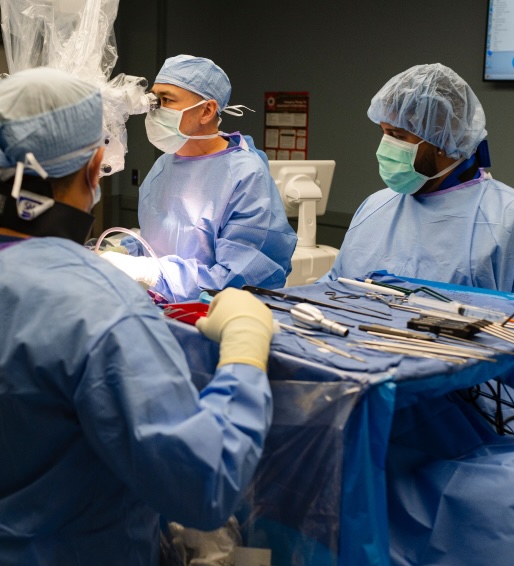
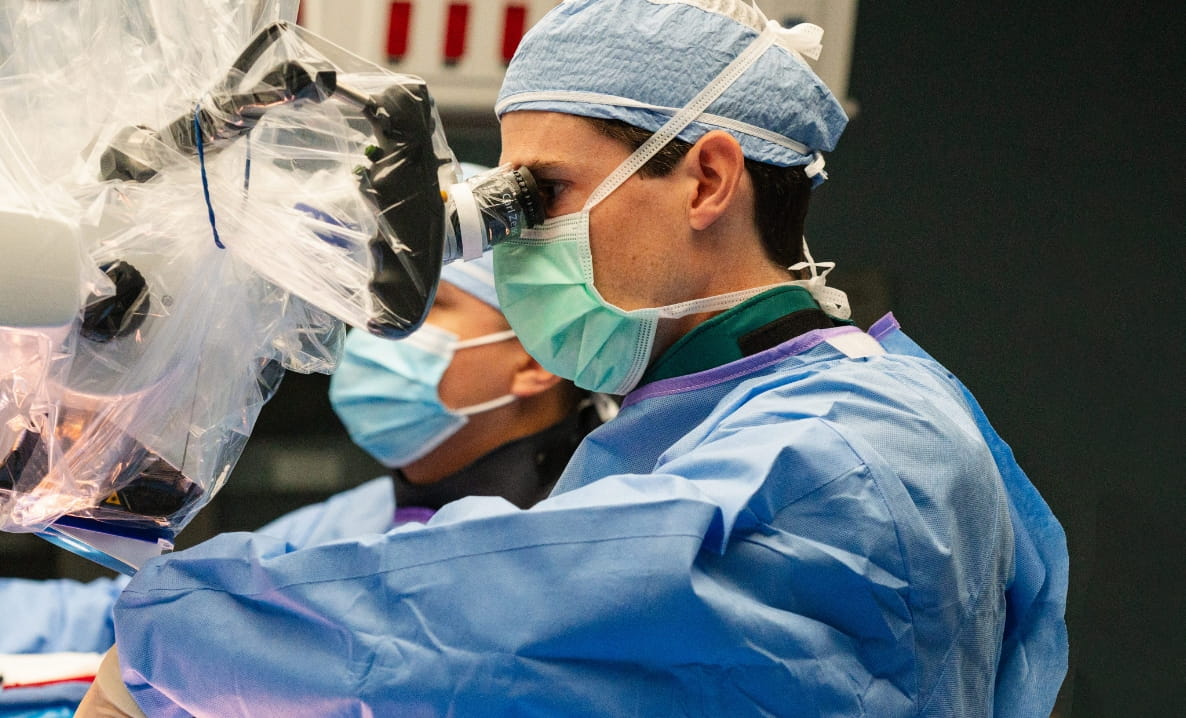
The most common procedure is a microdiscectomy, which removes the portion of the disc compressing the nerve. In select cases, artificial disc replacement may be considered to treat a damaged disc while preserving motion. Both procedures are designed to achieve decompression—relieving mechanical pressure on the nerve. The goal is not to make the MRI look perfect, but to address the structure responsible for your symptoms.
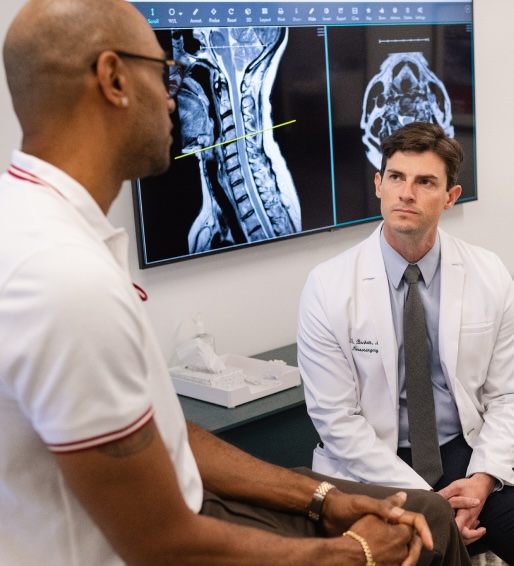
This distinction matters. Imaging findings must correlate directly with your symptoms and physical exam before surgery is recommended. An abnormal MRI alone is not a reason to operate.
In terms of recovery, leg or arm pain caused by nerve compression often improves quickly after decompression. The return of strength is less predictable. Recovery may take weeks to months and depends on how long the nerve was compressed and the degree of nerve injury.
The Path to Recovery After Surgery
Surgery relieves pressure on the nerve, but the nerve itself still requires time to recover. Pain relief and full recovery are not the same. Understanding that distinction before surgery helps set realistic expectations during the healing process.
In the early post-operative period, gentle walking is encouraged. Regular movement supports circulation, reduces stiffness, and helps patients regain confidence in normal movement patterns.
Activity restrictions are also important. Most patients are advised to avoid bending, lifting, and twisting for several weeks to allow the disc and surrounding tissues to stabilize. These limits are temporary but critical to protect the surgical site and reduce the risk of setbacks.
For a more detailed, step-by-step breakdown of what recovery looks like over time, including what to expect in the first few days through the first several months, see our guide to recovery after minimally invasive spine surgery.
Get an Expert Opinion
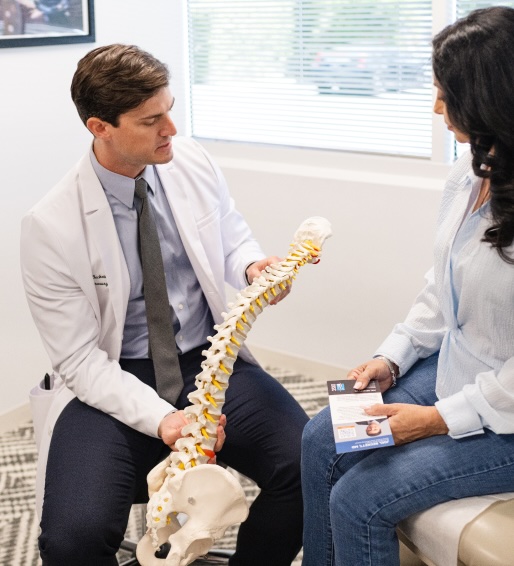
A herniated disc diagnosis raises an important question: do your symptoms require surgery? The answer depends on careful clinical evaluation, precise correlation of your symptoms with imaging, and a clear understanding of how your condition is progressing. Conservative care is the right starting point for most patients, but when symptoms worsen or neurologic deficits emerge, timely surgical evaluation can make a meaningful difference in outcome.
Dr. Joel Beckett and the team at Beckett NeuroSpine focus on helping patients understand exactly where they stand and what their options are without unnecessary procedures or pressure. If you are experiencing persistent or worsening symptoms or want a clear answer about whether surgery is appropriate, request a consultation at https://beckettspine.com/.